Understand your kidney tests and metabolic health. I'm Dr. Sean Hashmi, a kidney and obesity medicine specialist. Subscribe for my free weekly letter on the research behind your numbers, food and daily habits. Published by SELF Principle, my nonprofit.
The one food linked to high potassium isn't fruit
|
SELF Principle
Understand your kidney tests and metabolic health. I'm Dr. Sean Hashmi, a kidney and obesity medicine specialist. Subscribe for my free weekly letter on the research behind your numbers, food and daily habits. Published by SELF Principle, my nonprofit.

SELF Newsletter Hi SELF Family, Thirty minutes of walking lowers your blood sugar more when you split it into ten 3-minute walks than when you do it all at once. Researchers tested this in the same people, with the same meals, at the same walking pace. One 30-minute walk lowered the rise in blood sugar over the day by about 10 percent. Ten 3-minute walks lowered it by about 22 percent, more than twice as much. Your A1C is your three-month average blood sugar, and an A1C under 5.7 percent is...

SELF Newsletter Hi SELF Family, If you take lisinopril, losartan or another blood pressure pill your doctor chose to protect your kidneys, salt decides how well that pill works. Researchers in the Netherlands tested this head to head. Adding a second kidney-protecting pill at full dose cut the protein leaking from damaged kidneys by 21 percent. Cutting salt cut it by 51 percent. Protein in your urine is one of the earliest signs that your kidney filters are under too much pressure. Your lab...
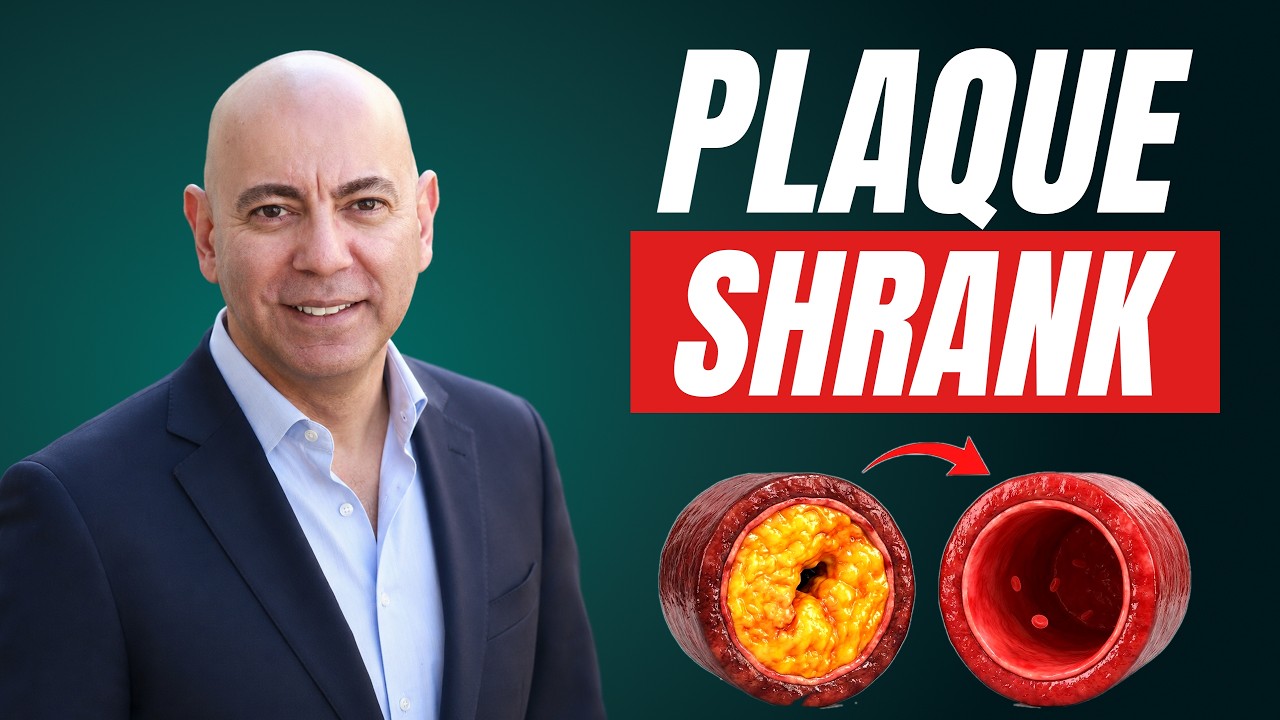
SELF Newsletter Hi SELF Family, When your LDL comes back high, you usually get a list of things to cut. Cut the saturated fat. Cut the fried food. Cut the butter. Researchers in Toronto tested that list against a diet built around four plant foods. The cuts alone came in last, and the four foods came within a few points of a statin. LDL is your bad cholesterol. It slips into the walls of your arteries and builds plaque, a soft, fatty bump that can crack open and set off a heart attack. Your...